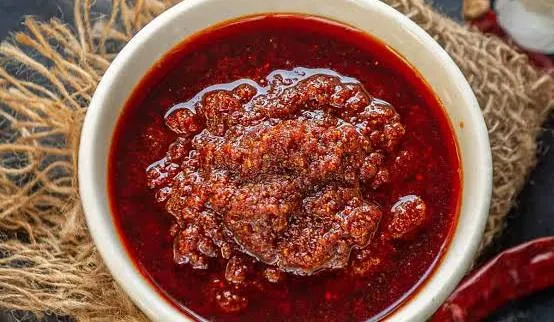
One of the simplest ways to add flavor to your kebab, tikka, and bite-size savory treats is a garlic-flavored chutney.
About Us
We invite you to visit our home made tastes..
They need patience and time – not ‘your time’, just time by themselves,
It’s rarely a good idea to eat a chutney or Indian-style pickle just as-is. Their key role in your meal is to add flavor; hence always eat (and serve) chutneys and pickles as an accompanying condiment – as a spread, sauce, topping, dip, etc
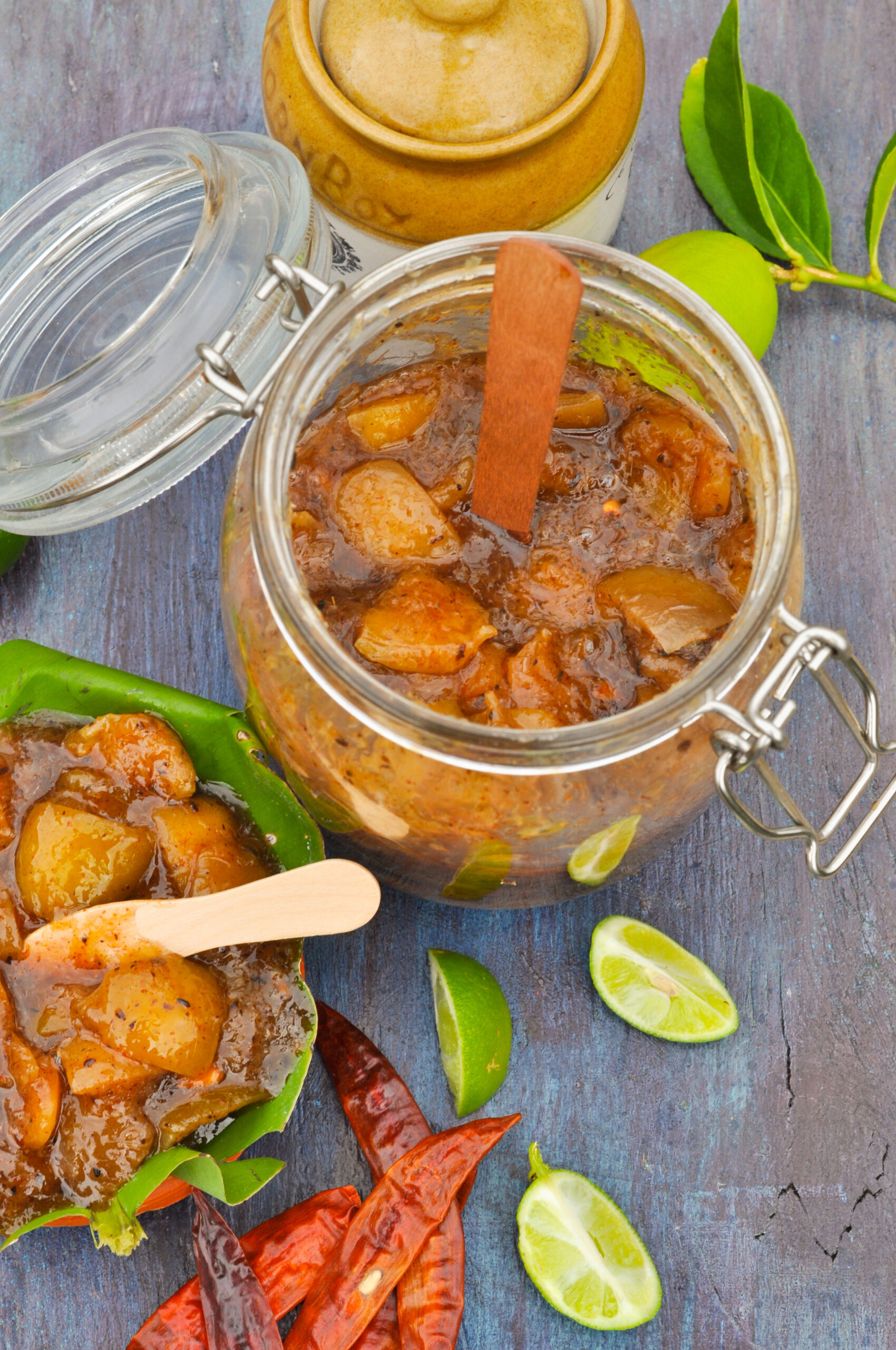
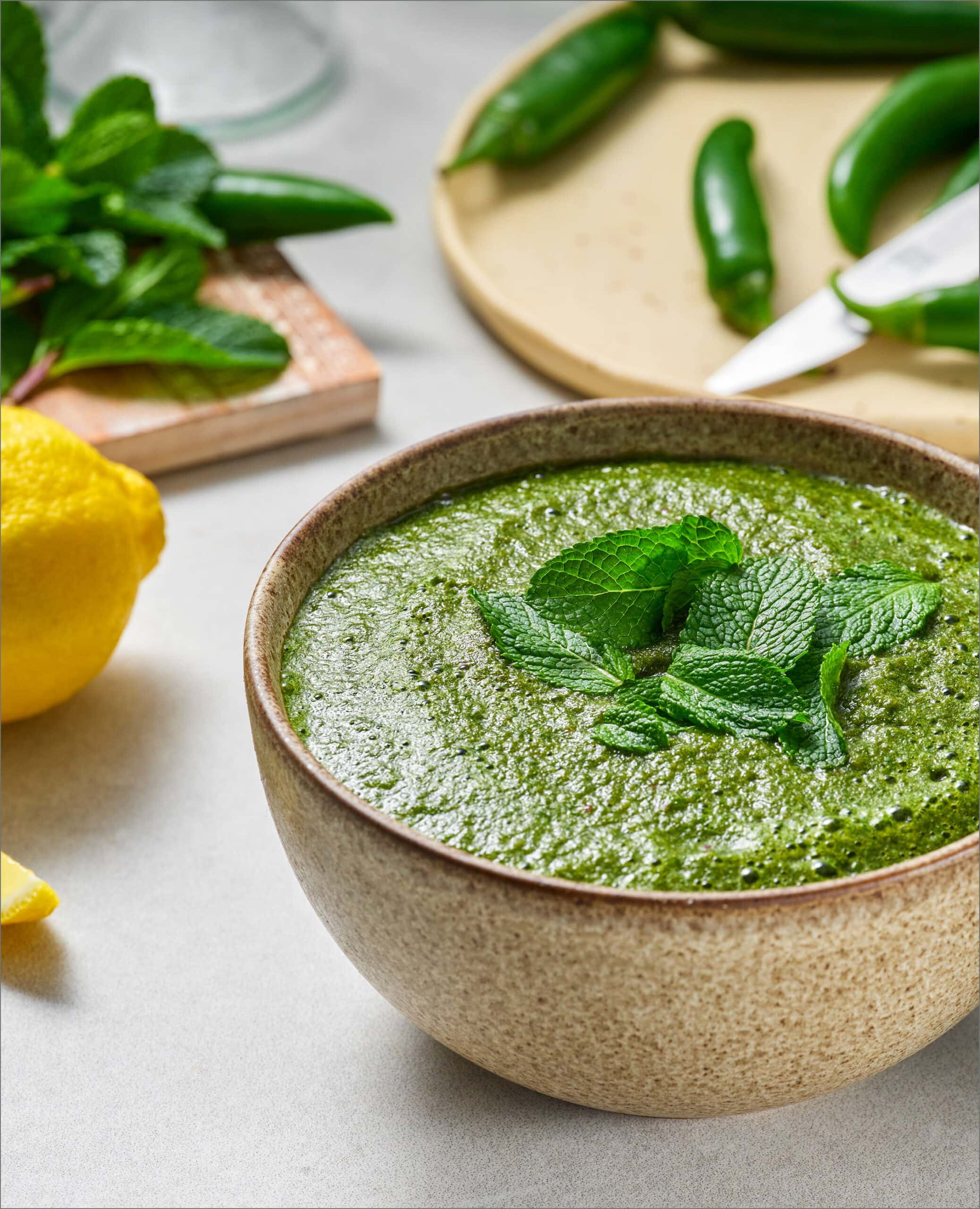
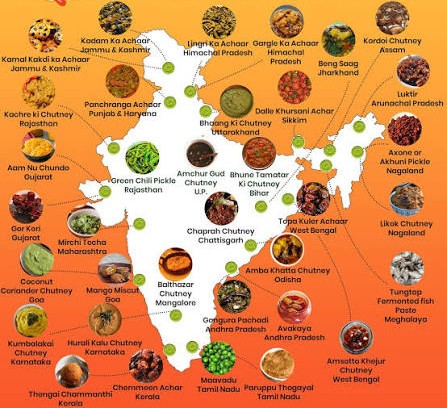
In Indian cuisine, chutneys vary dramatically, many being thin enough in consistency to be used as dipping sauces, other varieties of chutney are chunky well-flavored relishes; those are generally used as meal accompaniments or sandwich spreads.
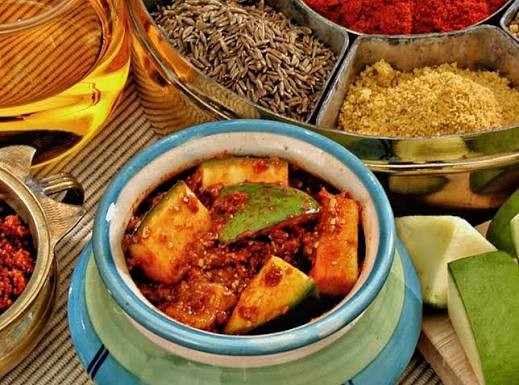
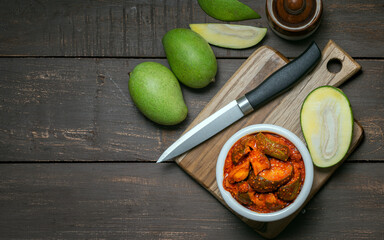
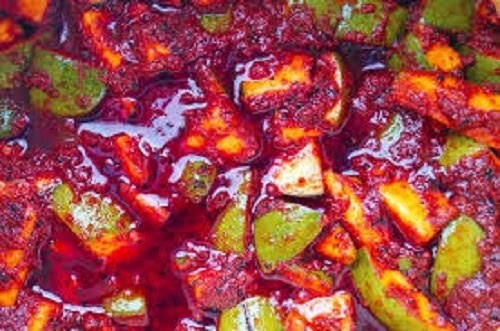
The pickling base for Indian pickles (called Achaar/Achar) is oil, spices, and salt, unlike the vinegar-based western-style pickles. The process of making an Indian pickle (Achaar) includes tempering spices in large quantities of oil, prior to initiating the process of pickling. Back in India, pickles are created seasonally as fruits and vegetables grow in their natural abundance. You’ll find super-sized earthen or ceramic vats of pickles, topped off with oil, kept in a dark corner of an Indian kitchen pantry year-round.
OUR Speciality
About Us
Our excellent taste and quality are unmatched. Pick the best.
Indian homemade pickles (achar) and chutneys form the vibrant backbone of local meals. Pickles are heavily spiced and preserved in oil or citrus, while fresh chutneys feature herbs, vegetables, or fruits. Across Delhi, regional classics like raw mango, garlic, chutney’s and tomato are staples, typically served with dal, parathas, rice or idlis.
What they say


Mobile application
Download our application
Latest News
Use the tips and recipes of our chefs
About Us
We welcome you to our Tangy Chutneys and Pickles Island
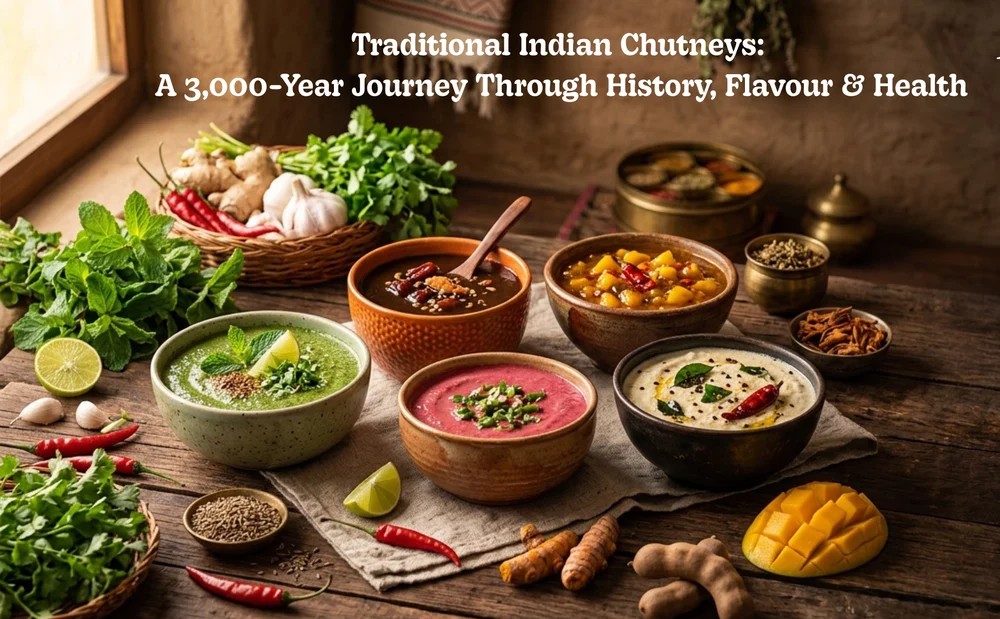
Rooted in the Sanskrit word chatni (meaning “to lick”) and the Hindi achaar, chutneys and pickles began as medicinal Ayurvedic pastes and sun-cured preservation techniques. Over millennia, they evolved from practical survival tools into globally cherished culinary staples, elevating simple staples like rice and bread into balanced, deeply flavorful meals,
The Evolution of Indian Chutneys
Ancient Ayurvedic texts detail the origins of chutneys as therapeutic pastes. Sages blended fresh herbs, spices, and fruits to aid digestion and boost immunity.
The Pickle Capital of India
Today, pickling is a massive commercial and artisanal industry. The city of Panipat in Haryana is famously known as the Pickle Capital of India, exporting traditional, sun-cured achaar to over 50 countries.